
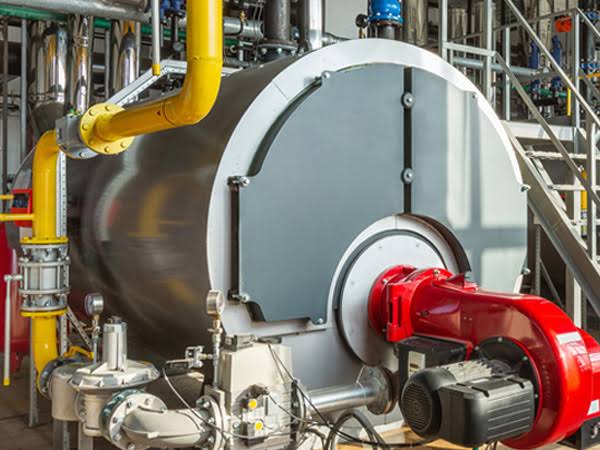

Industrial manufacturing depends on reliable heating and steam generation systems to maintain production efficiency, product quality, and operational continuity. From food processing and pharmaceuticals to textiles, chemicals, and engineering, boilers play an important role in supporting everyday industrial activities.
As manufacturing facilities expand, their thermal energy requirements also increase. Businesses must therefore invest in boiler systems that can meet production demands while maintaining energy efficiency, safety, and long-term reliability.
Selecting the right equipment involves evaluating steam capacity, fuel availability, operating pressure, maintenance requirements, and manufacturing quality. Businesses researching boiler manufacturers in Bangalore should consider these factors to identify suitable boiler solutions for their industrial applications.
Understanding the Importance of Industrial Boilers
Industrial boilers are specialized systems designed to generate steam or hot water by transferring thermal energy to water. The generated steam is used across various manufacturing processes, including heating, drying, sterilization, cleaning, and chemical processing.
Different industries have different thermal energy requirements.
- Food and Beverage: Steam is used for cooking, pasteurization, sterilization, and equipment cleaning.
- Pharmaceuticals: Boilers provide steam for sterilization and controlled manufacturing processes.
- Textiles: Steam supports dyeing, fabric washing, drying, and finishing.
- Chemical Industries: Thermal energy is required for distillation, heating, and chemical reactions.
- Paper and Pulp: Boilers support pulping, drying, and paper production.
- Engineering and Manufacturing: Steam is used in specialized heating and processing applications.
A properly designed boiler system ensures consistent steam availability and helps minimize interruptions in industrial operations.
Different Types of Industrial Boilers
Understanding different boiler configurations helps businesses select equipment that matches their production requirements.
1. Fire Tube Boilers
Fire tube boilers operate by passing hot combustion gases through tubes surrounded by water. The heat transfers from the gases to the water, generating steam.
These boilers are commonly used in industrial facilities requiring moderate steam capacity and operating pressure.
2. Water Tube Boilers
Water tube boilers circulate water through tubes while hot combustion gases flow around them. They are suitable for applications requiring higher steam generation capacities and operating pressures.
These systems are commonly used in large manufacturing facilities and energy-intensive industries.
3. Biomass-Fired Boilers
Biomass boilers use organic materials such as agricultural residues, wood chips, and biomass pellets as fuel. They provide an alternative to conventional fossil fuels where suitable biomass resources are available.
4. Oil and Gas-Fired Boilers
These boilers use liquid or gaseous fuels to generate steam. They are suitable for industrial facilities that require consistent thermal output and automated combustion management.
5. Waste Heat Recovery Boilers
Waste heat recovery boilers capture thermal energy from industrial exhaust gases and use it to generate steam. They help industries recover energy that would otherwise be lost during production.
Key Factors to Consider When Choosing an Industrial Boiler
Selecting an industrial boiler requires a detailed assessment of operational and technical requirements.
-
Steam Capacity and Pressure
The boiler should meet the facility’s average and peak steam demand. Businesses must calculate their required steam generation capacity and operating pressure before selecting equipment.
-
Fuel Availability and Operating Costs
Fuel selection directly influences boiler operating expenses. Natural gas, coal, biomass, and furnace oil are commonly considered options, depending on availability and application requirements.
-
Thermal Efficiency
An energy-efficient boiler helps reduce fuel consumption and operating costs. Features such as economizers, improved insulation, efficient burners, and automated combustion controls can improve thermal performance.
-
Safety and Compliance
Industrial boilers operate under high temperatures and pressure. Appropriate safety valves, pressure controls, inspection procedures, water treatment, and applicable regulatory compliance are essential.
-
Maintenance and Technical Support
Regular maintenance helps preserve equipment performance and minimize unexpected downtime. Businesses should evaluate spare parts availability, maintenance accessibility, commissioning support, and after-sales services.
Why Bangalore’s Manufacturing Sector Needs Reliable Boiler Systems
Bangalore has developed into an important industrial and technology-driven manufacturing center. Its industrial ecosystem includes engineering, aerospace, automotive components, pharmaceuticals, food processing, electronics, and manufacturing industries.
Many of these sectors depend on reliable steam generation and process heating equipment to maintain production quality and operational efficiency.
When evaluating boiler solutions, businesses should consider manufacturers with the engineering expertise to understand their specific production requirements.
The right boiler configuration should match the facility’s steam demand, fuel infrastructure, operating pressure, and available installation space. Proper equipment selection can help industries improve thermal performance and maintain consistent production.
How Modern Boiler Technologies Improve Industrial Efficiency
Modern boiler systems incorporate advanced technologies that help businesses manage energy consumption more effectively.
Automated Combustion Controls: These systems regulate fuel and air supply to maintain efficient combustion under changing operating conditions.
Economizers: Economizers recover heat from exhaust gases and use it to preheat boiler feedwater, reducing the additional energy required for steam generation.
Improved Insulation: Proper insulation minimizes heat losses from boiler surfaces and steam distribution systems.
Digital Monitoring: Modern monitoring systems help operators track pressure, temperature, fuel consumption, and operating performance.
Condensate Recovery: Recovering and returning condensate reduces the requirement for fresh feedwater and the energy needed to heat it.
Implementing these technologies can help industries improve energy utilization and reduce avoidable operating expenses.
Choosing an Experienced Industrial Boiler Manufacturer
The selection of a boiler manufacturer is an important consideration for long-term industrial performance. Businesses should evaluate manufacturing capabilities, engineering experience, product quality, customization options, and technical support.
Companies researching industrial boiler manufacturers in India should look for manufacturers capable of understanding different industrial applications and recommending suitable boiler configurations.
A dependable manufacturing partner should also provide technical guidance on boiler capacity, fuel selection, installation requirements, commissioning, and maintenance.
Evaluating these factors helps businesses make informed purchasing decisions and invest in equipment that supports their long-term production objectives.
Conclusion
Industrial boilers are essential for maintaining reliable thermal energy supply across modern manufacturing facilities. Selecting the right system requires careful consideration of steam requirements, fuel consumption, thermal efficiency, safety, and maintenance support.
Businesses should work with experienced manufacturers who understand their industrial applications and can recommend suitable engineering solutions.
By investing in properly designed boiler systems and adopting modern energy-efficient technologies, manufacturing facilities can improve productivity, manage operating expenses, and build a reliable foundation for sustainable industrial growth.