
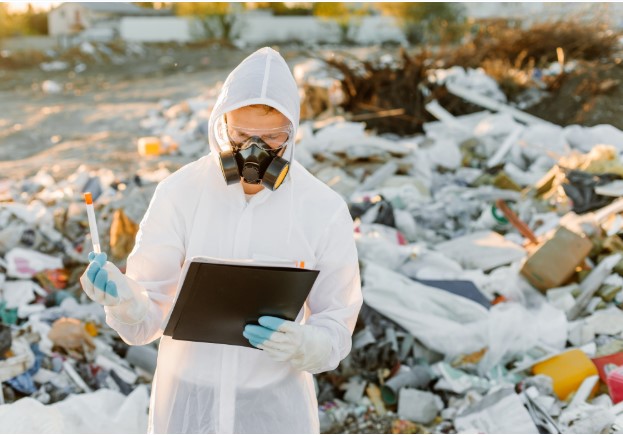

Commercial biohazard waste transportation is one of those services that actually helps protect public health and the wider environment. Biohazard waste can include medical waste, chemicals, contaminated materials, and other harmful materials that require careful handling. If it is not transported safely, it can lead to serious health problems and environmental harm.
That’s why companies that manage biohazard waste must adhere to strict safety rules and follow professional procedures without cutting corners. Doing the right thing with transportation keeps workers, communities, and the environment safe.
This article will explore important safety rules for commercial biohazard waste transportation:
Use Proper Protective Equipment
People who handle biohazard waste should, almost always, wear protective equipment. This might mean gloves, masks, protective clothing, and safety glasses. The point is, protective gear reduces the odds of direct contact with dangerous materials. Also, employees should learn how to use safety equipment correctly. Clean and properly fitted protective gear helps workers stay safe during loading, unloading and during transportation activities, too.
Label Waste Clearly
Clear labelling is crucial in commercial biohazard waste transportation. Containers should have warning labels that clearly identify the type of waste inside. When labels are visible, workers and emergency teams can identify potential dangers in seconds. Proper labels also lower confusion, prevent mistakes during transport, and support better coordination. Businesses should follow official safety guidelines when marking and storing biohazard materials.
Use Secure Containers
Biohazard waste should be stored and transported only in strong, secure containers. Weak or damaged containers can leak harmful materials and create dangerous conditions. Containers should be sealed tightly to prevent spills while moving. Some waste types may require special containers designed for chemicals, sharp objects, or other hazardous materials, depending on the waste.
Train Employees Properly
Employee training is one of the most important safety rules; honestly, it really matters. Workers should understand how to handle biohazard waste safely and follow emergency procedures if incidents happen. Training programs should cover safe transportation methods, spill management, and the correct use of the required equipment. Well-trained employees are generally better prepared to avoid mistakes and respond calmly when emergencies arise, even if it feels stressful at the moment.
Follow Transportation Regulations
Governments and health organizations often set strict rules for transporting biohazard waste. Companies have to follow these regulations closely to protect public safety and also avoid legal trouble.
Transportation vehicles should meet safety standards, and drivers should be familiar with proper handling procedures. Sticking with official guidelines helps businesses operate responsibly and safely, without cutting corners.
Prepare for Emergency Situations
Even with careful planning, accidents can still happen during transportation. Because of that, companies should always have an emergency response plan ready for spills, leaks, or vehicle incidents.
Emergency kits, first aid supplies, and communication systems should be on hand during transportation. Workers should know how to report an emergency and follow safety procedures quickly, not later. Good preparation helps reduce risks and improve safety during the unexpected moments that nobody wants.